Vera Bennett · 7 October 2026
Tracing Hidden Supply Chains of Banned Substances Through Regional Sports Logistics Networks
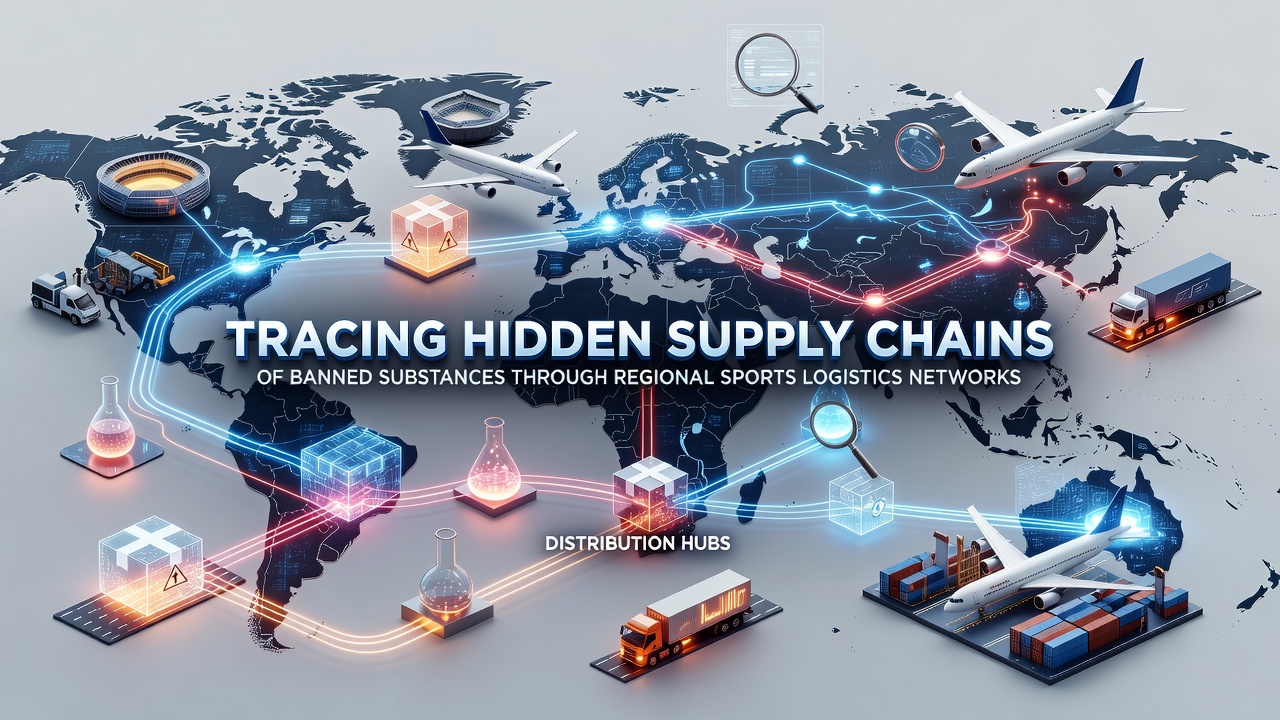
Regional sports logistics networks move equipment, apparel, and medical supplies for events across multiple countries each year, and authorities have documented cases where these channels intersect with movements of banned substances. Data from customs agencies in Europe and North America shows that substances listed on the World Anti-Doping Agency prohibited list sometimes travel alongside legitimate cargo in temperature-controlled containers or disguised within team medical kits. Observers note that October 2026 brought renewed focus after several international federations updated their transport protocols ahead of major competitions scheduled for early 2027.
Logistics Pathways in Sports Events
Regional networks typically rely on specialized freight forwarders who coordinate air, road, and rail transport between training facilities and competition venues. These operators handle time-sensitive shipments that must clear security and customs checks quickly, creating patterns that investigators have mapped over multiple seasons. Studies conducted by transport research groups indicate that high-volume routes between Eastern Europe and Western competition sites carry the largest share of mixed consignments, while similar corridors exist in parts of Asia and South America serving regional tournaments.
Authorities have recorded instances where packaging labels for nutritional supplements match those used for prohibited compounds, allowing misdeclaration during transit. Customs records from 2024 through 2025 reveal that detection rates rose when inspectors cross-referenced shipment manifests against known supplier databases maintained by national anti-doping organizations. One multi-country operation in late 2025 seized several kilograms of substances after discrepancies appeared in refrigeration unit logs that deviated from standard pharmaceutical transport requirements.
Detection Methods and Data Integration
Agencies combine shipment tracking software with laboratory analysis of samples taken at border points and event sites. The European Union’s customs information system has been linked to national sports integrity units in several member states, allowing real-time alerts when specific freight companies or consignee addresses match prior incidents. Figures released by the Australian Border Force in mid-2026 showed a 12 percent increase in intercepts involving sports-related cargo compared with the previous year, largely attributed to enhanced scanner deployment at key ports.
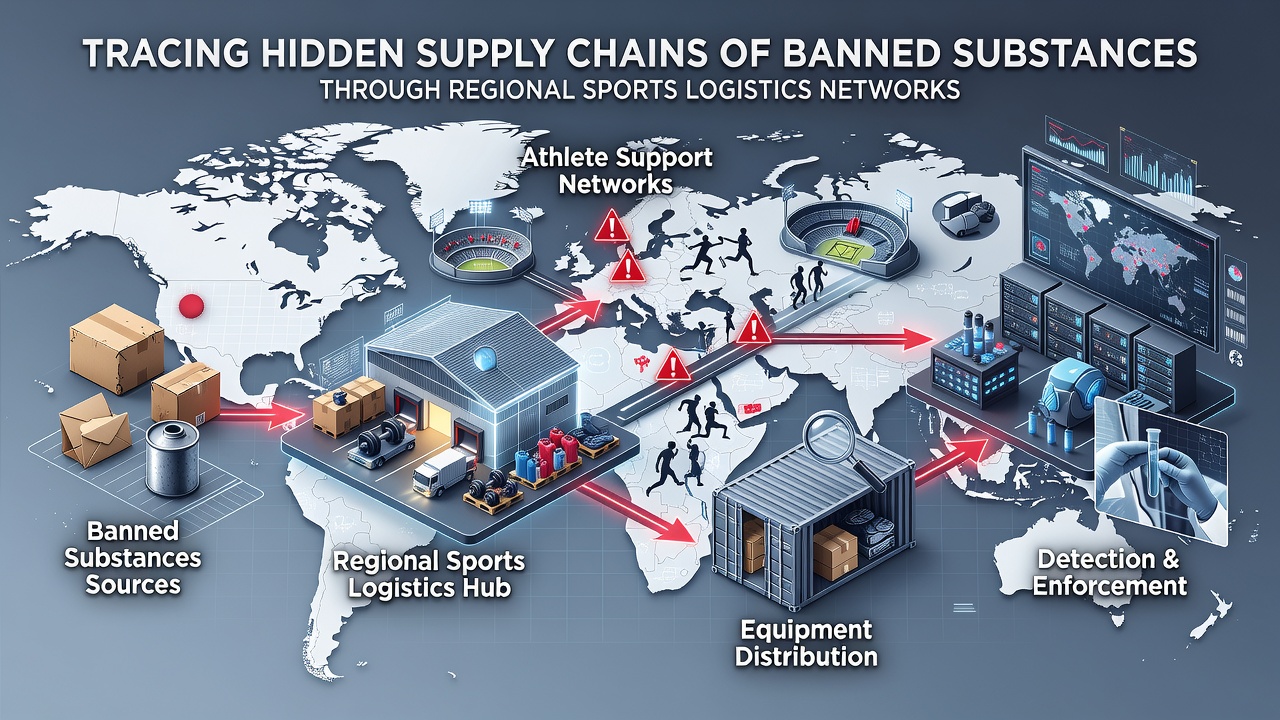
Researchers at universities in Canada and Japan have examined how blockchain-based tracking platforms record every handoff from manufacturer to venue, creating immutable audit trails that reduce opportunities for substitution during transit. These systems flag deviations such as unplanned stops or temperature spikes that could indicate tampering. Industry reports from the International Federation of Sports Medicine note that federations adopting such platforms reported fewer adverse findings in athlete samples during the 2025 season.
Regional Variations and Enforcement Actions
Patterns differ by region. In North America, road transport dominates for domestic leagues, and authorities have focused on weigh-station inspections combined with random sampling of team buses. European networks rely more on rail and short-sea shipping, where harmonized customs rules allow faster movement but require coordinated intelligence sharing among multiple agencies. South American operations often involve air cargo for altitude training camps, prompting aviation regulators to align manifest checks with anti-doping protocols.
Joint operations conducted in 2025 by agencies in Brazil and Argentina uncovered supply routes that originated in Asia and transited through regional hub airports before reaching local clubs. Documentation from those cases showed falsified certificates of analysis that mimicked legitimate pharmaceutical paperwork. Similar findings emerged in reports issued by the Canadian Centre for Ethics in Sport, which collaborated with border services on targeted inspections during that year’s major cycling events.
Technological and Regulatory Developments
Advances in portable spectrometers now allow on-site screening of cargo without full laboratory processing, shortening the time between seizure and confirmation. Regulatory updates scheduled for October 2026 include expanded data-sharing agreements between the World Anti-Doping Agency and regional transport authorities, aiming to standardize digital manifest formats across continents. Training programs for logistics personnel have incorporated modules on recognizing indicators of concealed substances, with participation reported from over 40 national federations.
Academic papers published in 2025 examined statistical correlations between logistics volume spikes and subsequent positive tests, suggesting predictive models that could prioritize inspections on high-risk routes. These models integrate weather data, event calendars, and historical seizure records to generate risk scores for individual shipments.
Conclusion
Tracing efforts continue to evolve as supply chains adapt to new detection tools and regulatory frameworks. Coordination among customs bodies, anti-doping agencies, and logistics providers has produced measurable increases in interception rates across multiple regions, while technological platforms provide clearer visibility into previously opaque movements. Ongoing data integration and cross-border cooperation remain central to maintaining these gains through the competitions planned for 2027 and beyond.